How much fibre a day? The UK number, and why almost nobody hits it
The UK recommendation is 30g a day. The average adult manages somewhere around 18g, and only about four in every hundred people reach the target. Here is what 30g actually looks like on a plate.
Published 13 August 2026
Of all the numbers in British nutrition guidance, this is the one with the widest gap between the recommendation and reality.
The number
The UK recommendation, set by SACN, is 30g of fibre a day for adults.
The average UK adult gets somewhere in the region of 16 to 20g. Only around 4 in every 100 adults hit 30g.
That is not a small shortfall at the edges. It is most of the country, most of the time, at roughly two thirds of the target.
For reference, the recommendation scales with age: 15g for ages 2 to 5, 20g for 5 to 10, 25g for 11 to 15, and the full 30g from 16 upwards.
What 30g actually looks like
The reason people miss it is almost never that they are opposed to fibre. It is that they have no sense of what the number means in food. Rough, practical figures:
- Two slices of wholemeal bread - around 5g
- A 40g bowl of bran-based cereal - around 10g
- A medium jacket potato with the skin on - around 5g
- A 400g tin of baked beans - around 10g
- A handful of almonds - around 3g
- An apple with the skin on - around 2g
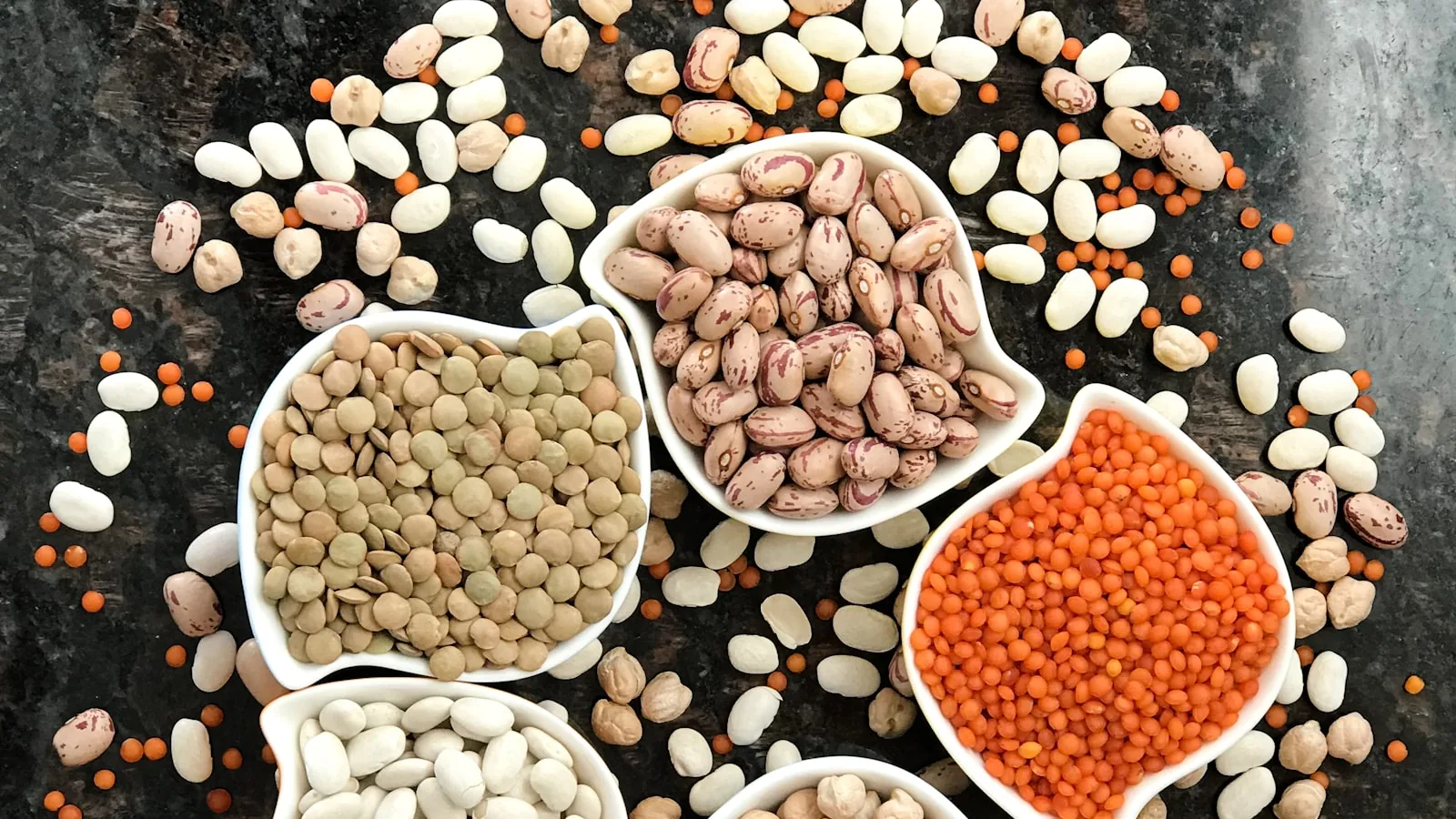
- A portion of cooked lentils - around 8g
Read that list and the pattern is obvious. You do not get to 30g by adding one virtuous thing to an otherwise low-fibre day. You get there when several meals each contribute.
Four changes that move the number most
1. Leave the skins on
Potatoes, apples, pears, cucumber. Peeling is the single most common way people quietly halve the fibre in a meal.
2. Swap the base, not the meal
Wholemeal bread instead of white. Brown rice or wholewheat pasta instead of white. Same meal, same effort, several grams better.
3. Put a pulse in something
A tin of lentils, chickpeas or beans into a bolognese, curry, stew or soup. It is cheap, it barely changes the taste, and it is the biggest single jump available.
4. Fix breakfast
For most people breakfast is the lowest-fibre meal of the day and the easiest to change, because it is the meal you repeat. A high-fibre cereal or porridge with fruit does a lot of the work before nine in the morning.
Go up gradually, and drink more water
Doubling your fibre overnight is uncomfortable and people give up. Increase it over two or three weeks and drink more water as you do, since fibre needs it to do its job.
Why this comes first
People tend to arrive at supplements before they have looked at the boring end of their diet. Fibre is the clearest example of why that is the wrong order. There is no supplement that substitutes for a diet built on whole grains, pulses, fruit and vegetables, and the national data says that is where the actual gap is for most of us.
Once the basics are covered, the useful question is narrow and personal: what does your diet, your training and your situation genuinely leave short. We wrote about how to work that out in what supplements should I take.
Sources
British Nutrition Foundation, Fibre. SACN recommendation of 30g per day for adults; average UK intakes and the proportion of adults meeting the recommendation.
General information, not medical advice. If you have a diagnosed digestive condition, take advice from your GP or a registered dietitian before making large changes to fibre intake.